
Why Your Heart Health Is About More Than Just Cholesterol
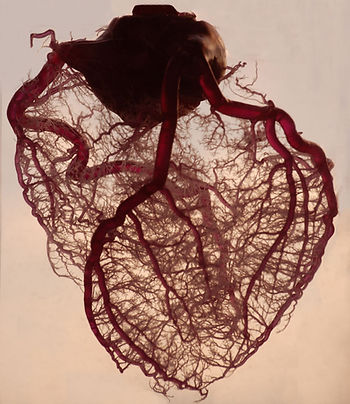
For decades, heart health has been reduced to one number: cholesterol. Patients are often told to “watch their LDL” and assume that if their cholesterol looks fine, their heart must be fine too.
But cardiovascular disease is far more complex.
Cholesterol is just one piece of a much larger metabolic picture. You can have “normal” cholesterol and still be at significant risk. And some people with mildly elevated cholesterol may be metabolically healthy overall. If we truly want to prevent heart disease — not just treat it after the fact — we must look deeper.
At Cardona Direct Primary Care in Jacksonville, we focus on key physiologic contributors:
Insulin resistance
Visceral (abdominal) fat
Chronic inflammation
Hormonal shifts
Sleep quality
Overall metabolic health
Let’s break this down.
The Hidden Drivers of Heart Disease
1. Insulin Resistance: The Silent Saboteur
Insulin resistance often develops years — sometimes decades — before diabetes.
When your cells stop responding efficiently to insulin, your body compensates by producing more of it. Over time:
Blood sugar remains elevated longer
Insulin levels stay chronically high
The lining of your arteries (the endothelium) becomes damaged
This endothelial dysfunction is one of the earliest steps in atherosclerosis. Many patients with “normal” glucose levels already have early insulin resistance. That’s why fasting insulin, triglyceride-to-HDL ratio, waist circumference, and A1c trends often tell us more than cholesterol alone.
2. Visceral Fat: The Metabolically Active Organ
Not all fat behaves the same.
Visceral fat — the fat stored deep around your organs — is metabolically active. It releases inflammatory cytokines and hormonal signals that:
Increase insulin resistance
Raise blood pressure
Promote plaque formation
Increase cardiovascular risk
Hormonal transitions can significantly influence this process. During perimenopause and menopause, declining estrogen shifts fat storage toward the abdomen, even if total body weight hasn’t changed dramatically. Many women notice increasing waist circumference in their 40s and 50s despite “doing everything the same.” Similarly, age-related testosterone decline in men can contribute to increased central fat storage, reduced muscle mass, and worsening insulin sensitivity. These hormonal changes don’t just affect appearance — they directly impact metabolic and cardiovascular risk.
3. Chronic Inflammation: The Glue That Makes Plaque Dangerous
Cholesterol alone does not create dangerous blockages. Inflammation is what makes plaque unstable and more likely to rupture. When chronic inflammation is present:
The immune system repeatedly injures arterial walls
Plaque becomes more fragile
Clot formation risk increases
Metabolic dysfunction, poor diet quality, chronic stress, visceral fat, and inadequate sleep all amplify inflammatory signaling. Looking at markers like hs-CRP — alongside metabolic trends — often gives a clearer picture of cardiovascular risk than LDL alone.
4. Hormonal Shifts: The Midlife Metabolic Pivot
Hormones and metabolism are inseparable. During perimenopause, menopause, and andropause, the body undergoes changes that can:
Increase visceral fat
Reduce lean muscle mass
Worsen insulin sensitivity
Alter lipid patterns
Disrupt sleep
Many patients are surprised when their cholesterol, blood pressure, or fasting glucose begins to rise in midlife — even without major lifestyle changes. Understanding this hormonal-metabolic connection allows for earlier intervention, better risk stratification, and more personalized prevention strategies.
5. Sleep: The Most Underrated Cardiovascular Therapy
During deep sleep, your body enters its only true cardiovascular recovery state:
Blood pressure dips
Heart rate slows
Cortisol decreases
Inflammation improves
Chronic sleep disruption — common during midlife hormonal shifts — keeps the sympathetic nervous system activated. This increases blood pressure, blood sugar variability, and inflammatory burden.
Poor sleep is an independent cardiovascular risk factor.
5 Habits That Improve Metabolic and Heart Health
If you want to move beyond chasing lab numbers and truly protect your heart, start here:

1. Build Your “Glucose Sink”
Muscle is your metabolic engine. Resistance training at least twice per week improves insulin sensitivity and helps your body clear glucose efficiently. More muscle = better metabolic control, especially during hormonal transitions.
2. Use a “Fiber First” Strategy
Eating vegetables, protein, or fiber before refined carbohydrates slows glucose absorption and reduces post-meal spikes. This stabilizes insulin levels and reduces vascular stress.
3. Walk After Meals
A 10–15 minute walk after eating significantly reduces postprandial glucose levels. It’s one of the simplest, most powerful metabolic tools available. No gym required.
4. Improve Fat Quality
Increase Omega-3–rich foods (wild-caught fish, walnuts, chia seeds) and reduce ultra-processed foods and refined carbohydrates. Diet quality directly influences systemic inflammation.
5. Protect Your Sleep Window
Create a “digital sunset” 60 minutes before bed. Reduce blue light exposure, dim the lights, and keep a consistent bedtime schedule. Deep sleep is cardiovascular medicine.
The Bottom Line
Your heart does not exist in isolation. It reflects how well your body manages:
Energy
Inflammation
Hormones
Stress
Recovery
Cholesterol matters — but it is not the whole story. True cardiovascular prevention requires a comprehensive metabolic approach, especially during midlife when hormonal shifts can quietly accelerate risk.
At Cardona Direct Primary Care, we take the time to look beyond isolated lab values. We evaluate the full metabolic picture — including insulin resistance, inflammation, body composition, sleep, and hormonal health — to help you build long-term cardiovascular resilience. Because prevention isn’t about reacting to a crisis. It’s about understanding the deeper causes before one happens.
About Cardona Direct Primary Care

At Cardona Direct Primary Care, Dr. Cardona and Dr. Garland provide personalized healthcare, including direct primary care, obesity medicine, and aesthetic treatments. Dr. Cardona is board-certified in both family medicine and obesity medicine and has a special interest in medical weight loss. Dr. Garland is board-certified in family medicine and is a certified medical marijuana provider. She has a special interest in skincare and is eager to assist with your individual skincare needs. Located in Jacksonville, FL, we are dedicated to prioritizing you. Contact us at 904-551-4625 or visit our website at www.cardonadpc.com to learn more and schedule your appointment today!


https://thoitiethomnay.org/lao-cai/hang-gio/ mình mở ra coi nhanh vì đang cần canh giờ chạy việc ở Lào Cai, mà thấy trang nhìn nhẹ mắt hơn mình tưởng. Không phải kiểu chữ nhỏ rối rắm, lướt trên điện thoại vẫn ổn. Mình chủ yếu xem phần dự báo theo giờ thôi, nhìn phát là biết nhiệt độ với khả năng mưa trong 24 giờ tới, khỏi phải bấm qua lại nhiều. Thích nhất là nó có ghi rõ thời điểm cập nhật ngay trên khung dự báo nên yên tâm hơn, đỡ lo số liệu cũ. Phần “hiện tại” cũng hiện luôn nhiệt độ kèm tình trạng trời (âm u) với độ ẩm, nhìn cái là nắm được. Bảng theo giờ xếp thành…
Khi đọc các bài giới thiệu đơn vị hoạt động trong lĩnh vực truyền thông số, sáng tạo nội dung và marketing đa nền tảng. Tôi thường thích những bài viết ngắn gọn để có thể xem nhanh trên điện thoại. Với định hướng đổi mới và ứng dụng công nghệ hiện đại, bài viết này có bố cục khá dễ theo dõi khi phần nhắc đến New88 được đặt ở giữa nội dung. Mình thực sự cảm thấy các thông tin được trình bày rõ ràng, dễ hiểu nên việc đọc lướt cũng không gặp khó khăn gì.
nhà cái pg88 mình cũng kiểu nghe người ta nhắc nên bấm vào xem thử cho biết thôi. Không có ngồi đọc hết nội dung đâu, chủ yếu lướt giao diện với cách họ chia phần. Thấy trang làm khá dễ theo dõi, mấy tiêu đề đặt thẳng thắn nên nhìn cái là đoán được chủ đề đang nói gì. Có đoạn giới thiệu về Études viết ngắn gọn, nói họ kết hợp sáng tạo với chức năng trong kiến trúc nên mình đọc lướt vẫn nắm ý. Mình thích kiểu cuộn xuống là từng khối nội dung tách riêng, không bị nhồi chữ, nhìn đỡ mệt mắt. Phần điều hướng cũng ổn, chuyển qua lại không bị rối, nhất là…
Khi đọc các bài giới thiệu nền tảng giải trí, tôi thường thích những bài viết ngắn gọn để có thể xem nhanh trên điện thoại. Bài viết này có bố cục khá dễ theo dõi khi phần nhắc đến u888 được đặt ở giữa nội dung. Điều đó giúp mạch bài trở nên tự nhiên hơn và không tạo cảm giác quảng cáo quá sớm. Nội dung tập trung vào trải nghiệm chung của người dùng với giao diện dễ sử dụng và nhiều danh mục quen thuộc như slot, game bài hay mini game. Nhìn chung cách diễn đạt khá nhẹ nhàng và dễ hiểu.
Có lần đang đi du lịch nước ngoài thì bỗng nghe thấy có một nhóm người trên máy bay bàn tán về LLWIN nghe những lời họ nói thì có vẻ như trang web này được khá nhiều người biết đến. Mình vốn không để ý mấy chuyện này nên chỉ nghe ké vài câu rồi nhớ tên. Sau đó vì tò mò mình mới thử tìm xem, ấn tượng đầu tiên là giao diện khá thân thiện, các mục được chia rõ và cách trình bày nhìn tương đối thoáng.